

US Treasury walks back crypto surveillance travel rule proposal
The US Department of the Treasury has stepped back from expanding travel rule reporting requirements for cryptocurrency transfers. The decision pauses planned identity-tracking obligations for digital asset service providers.

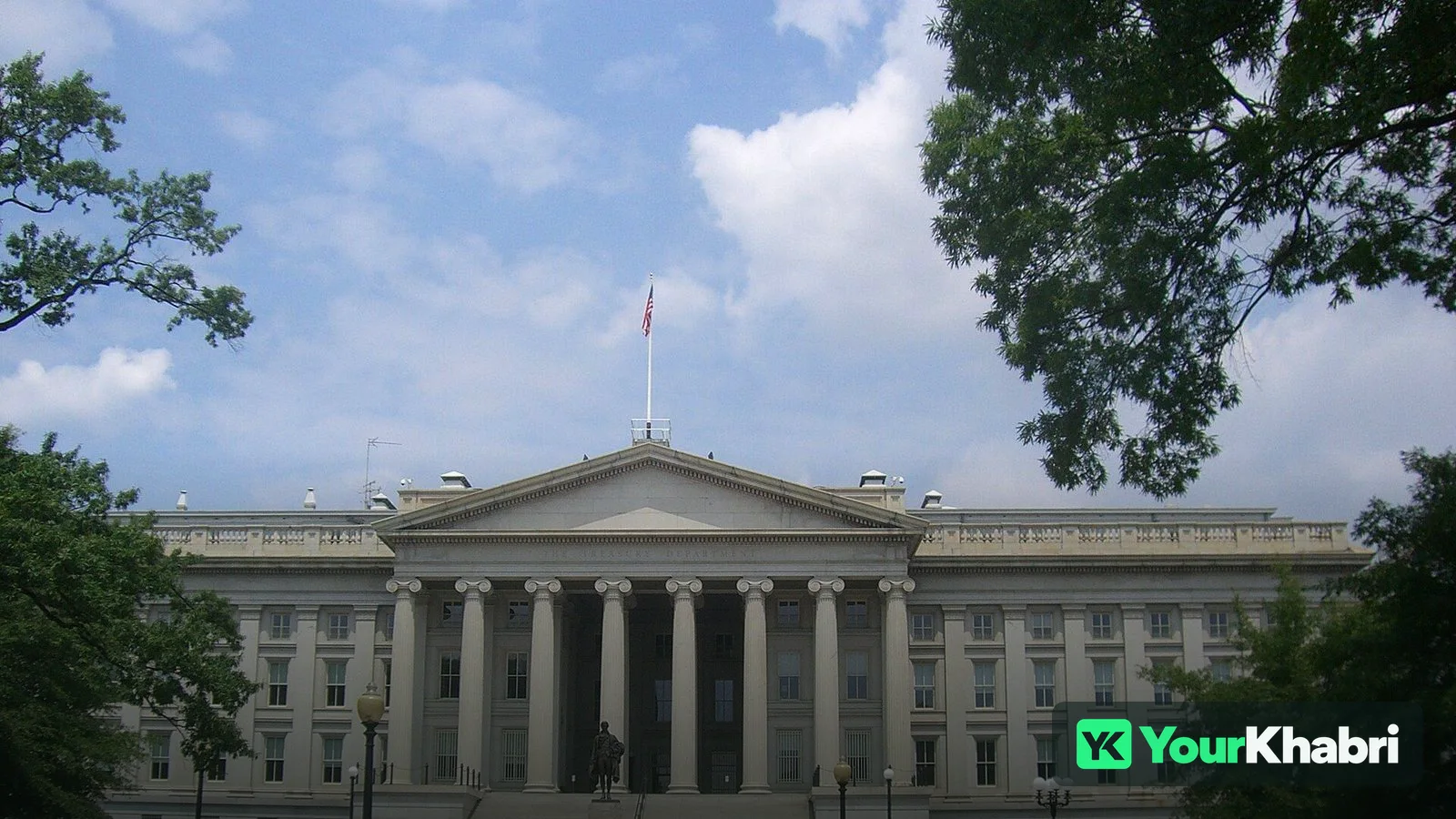
Key takeaways
- 1US Treasury walked back a proposed expansion of the crypto travel rule on 6 November 2026.
- 2The proposal would have lowered reporting thresholds and required identity sharing for transfers.
- 3Enforcement of US travel rule standards remains overseen by Treasury units including FinCEN.
The US Department of the Treasury has walked back a proposal to expand crypto surveillance through stricter travel rule requirements on digital asset transfers, Boss Bot News reported on 6 November 2026. The decision halts planned regulatory changes that would have lowered transaction thresholds and increased monitoring for financial institutions and cryptocurrency exchanges handling transfers.
The proposed travel rule adjustments aimed to require digital asset service providers to collect, store and share personal identification data for both senders and receivers involved in crypto transactions. By stepping back from the proposal, the Treasury has put on hold plans that would have expanded mandatory customer identity tracking across both domestic and international digital asset transfers.
The travel rule was initially created for traditional banking operations before international policy bodies applied the standard to digital assets to combat money laundering and illicit finance. In the United States, enforcement is overseen by Treasury units such as the Financial Crimes Enforcement Network, though cryptocurrency firms have long pointed out the technical friction and privacy issues associated with transmitting personal data alongside blockchain transfers.
The decision eases immediate regulatory pressure on US cryptocurrency exchanges and wallet service providers that faced potential operational costs from expanded monitoring duties. Market participants and compliance officers will now monitor whether the Treasury or international groups such as the Financial Action Task Force propose modified guidance for digital asset oversight in future policy releases.
Reported and edited by the YourKhabri desk under our editorial policy. Nothing here is investment advice.