

US Supreme Court rejects Custodia Bank appeal over Fed master account access
The decision leaves regional Federal Reserve banks free to deny direct access to Fedwire payment rails for state-chartered digital asset institutions.

Key takeaways
- 1Supreme Court denied Custodia Bank's petition for certiorari in case No. 26-62 on 16 November 2026.
- 2The decision leaves in place a Tenth Circuit ruling giving Federal Reserve Banks discretion to deny master accounts.
- 3Custodia first applied for a Kansas City Fed master account in October 2020 after securing a Wyoming state banking charter.
- 4The Kansas City Fed rejected Custodia's application in January 2023 over safety and soundness concerns.
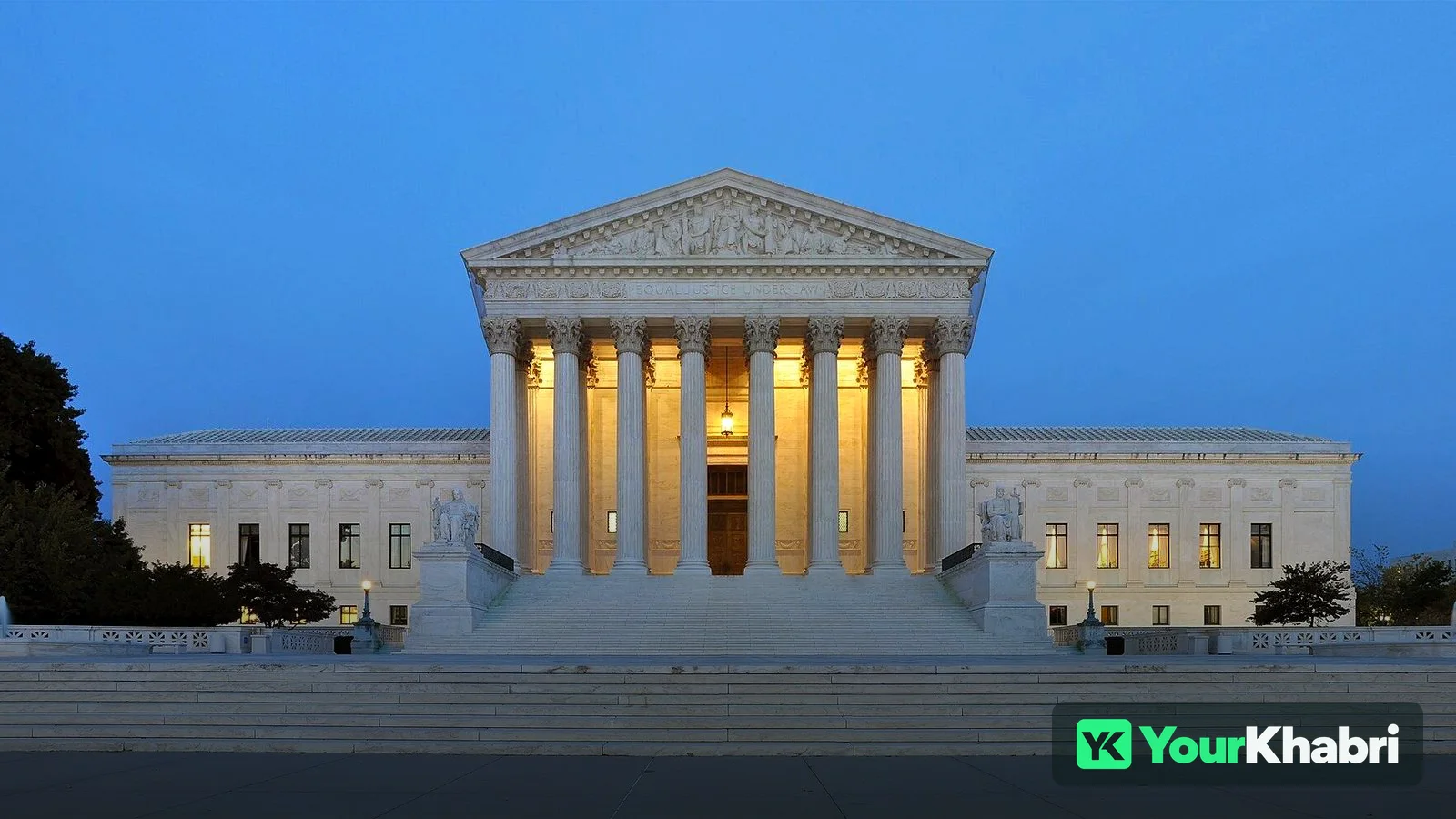
The United States Supreme Court declined on 16 November 2026 to hear an appeal from Custodia Bank, leaving intact a lower court ruling that allows regional Federal Reserve Banks to deny master accounts to state-chartered financial institutions.
The decision ends a legal effort that began in June 2022, when the Wyoming-chartered bank sued the Federal Reserve Board of Governors and the Federal Reserve Bank of Kansas City. The denial leaves regional Fed banks with discretionary power to reject applications from institutions that meet legal eligibility criteria, forcing them to process transactions through third-party correspondent banks instead of gaining direct access to the Fedwire payment system.
Custodia, founded by chief executive Caitlin Long, is a Wyoming special purpose depository institution. Under state law, the institution is prohibited from making loans and must back dollar deposits fully with liquid assets. The bank applied for a master account with the Federal Reserve Bank of Kansas City in October 2020 and subsequently applied for Federal Reserve membership in August 2021.
The Board of Governors published guidelines in August 2022 establishing a tiered framework for master account reviews. Under those rules, institutions that lack federal deposit insurance and federal banking supervision were placed into Tier 3, subject to the strictest level of scrutiny. The Kansas City Fed formally rejected Custodia's application in January 2023, stating that its crypto-focused business model presented risks inconsistent with safe and sound banking practices. The Board of Governors rejected Custodia's membership application on the same day.
Custodia challenged the rejection in federal court, arguing that the Monetary Control Act of 1980 mandates access to Federal Reserve services for all nonmember depository institutions. US District Judge Scott W. Skavdahl ruled against Custodia in March 2024. A three-judge panel of the US Court of Appeals for the Tenth Circuit affirmed that judgment in October 2025 by a 2-1 vote, holding that statutory provisions allowing Reserve Banks to receive deposits are discretionary.
Circuit Judge Timothy Tymkovich dissented from the appellate panel ruling and voted against denying a rehearing in March 2026. In his dissent, Tymkovich wrote that being denied a master account is equivalent to a death sentence for a bank because an institution cannot operate in the modern banking system without direct access to payment rails. He argued that the ruling gives the Federal Reserve authority to override state banking charters.
The ruling leaves state-chartered digital asset institutions with limited options to obtain direct access to central bank clearing systems in the United States. While Custodia remains unable to secure a full master account, other institutions have pursued alternative pathways. In March 2026, Kraken Financial received approval from the Kansas City Fed for a restricted, one-year account that allows it to send and receive payments through Fedwire, though with operational limits that fall short of a full master account.
Legal scholars and industry groups, including the Blockchain Association as well as Senator Cynthia Lummis and former Senator Patrick Toomey, had filed briefs supporting Custodia's Supreme Court petition. They warned that permitting Federal Reserve banks to turn away state-chartered firms threatens the dual banking system in the United States. With the Supreme Court declining review in case No. 26-62, nonmember banks in the Tenth Circuit lose their primary legal mechanism to challenge master account rejections.
Reported and edited by the YourKhabri desk under our editorial policy. Nothing here is investment advice.