

Paraguay president resigns following collapse of Ueno Bank
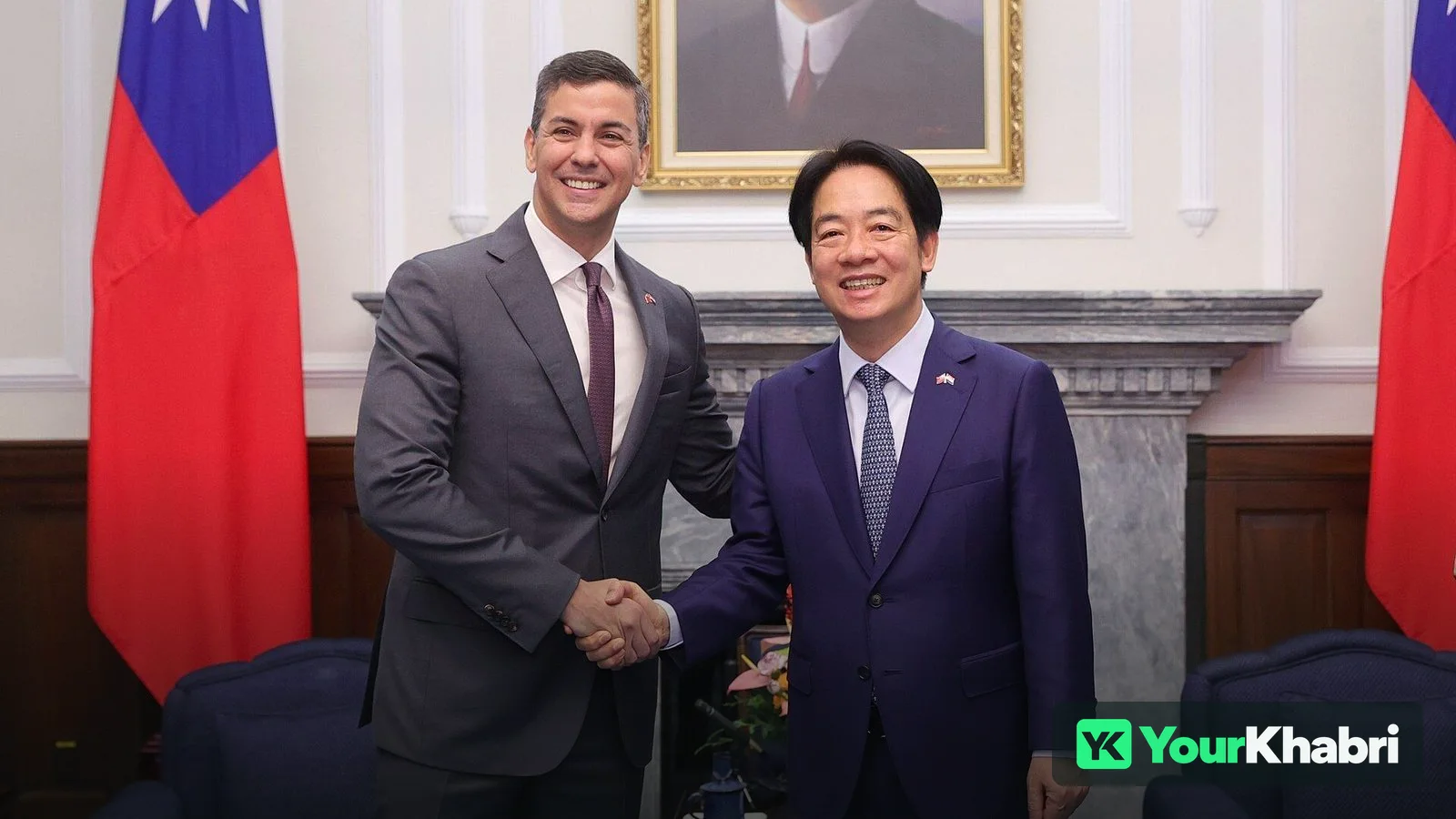
Santiago Peña stepped down as digital lender Ueno Bank faced resolution proceedings, stranding three million account holders and driving up local stablecoin demand.

Key takeaways
- 1Paraguayan President Santiago Peña resigned on Nov. 5 following the failure of digital lender Ueno Bank.
- 2Ueno Bank served more than 3 million customers before central bank regulators intervened due to a 5.56% solvency ratio.
- 3Central bank officials authorized initial deposit payouts of up to 10 million guaraníes ($1,630) per account.
- 4Eight bank executives were detained by authorities, including Grupo Vázquez president Miguel Vázquez.
- 5Demand for Tether's USDt pushed peer-to-peer prices to a 13% premium over the official reference exchange rate.
Paraguayan President Santiago Peña announced his resignation on Thursday after the collapse of digital lender Ueno Bank left three million customers unable to access their savings. Ueno Bank, which grew rapidly from 2021 to serve roughly half of Paraguay's 6.5 million citizens, was placed into resolution proceedings by the Central Bank of Paraguay on Nov. 2 after regulators found its solvency ratio had dropped to 5.56 percent, far below the 12 percent legal minimum.
In a video statement published to X, Peña said he was stepping down to protect national peace, democratic institutions and the savings of ordinary citizens. The president faced an impending impeachment vote in Congress over alleged conflicts of interest and institutional cover-ups related to the lender. Peña had maintained business ties with Ueno Bank's parent company, Grupo Vázquez, until March 2025. The Defiant reported that lawmakers approved impeachment proceedings with 78 votes. Peña denied wrongdoing, calling the situation a regulatory matter that had become politicised.
Protests broke out in the capital city of Asunción as depositors, pensioners and workers gathered to demand the return of their funds and criminal accountability for executives. Paraguayan authorities detained eight Ueno Bank executives on Nov. 3, including Grupo Vázquez president Miguel Vázquez and Ueno Bank president Juan Manuel Gustale, local newspaper ABC Color reported. A local court ordered six of the officials held in pretrial detention and placed two under house arrest.
To cushion the impact on account holders, the central bank announced on Thursday that it would initiate deposit guarantee payouts of up to 10 million guaraníes, or approximately $1,630, for eligible depositors who held accounts at other institutions and owed no debt to Ueno. Under Paraguay's financial regulations, total deposit insurance is capped at 228.3 million guaraníes, or roughly $37,200, per depositor per institution.
The disruption in traditional banking pushed local residents toward cryptocurrency exchanges and peer-to-peer market desks. David Eisenmann, founder and chief executive of Paraguayan crypto exchange X4T, told Cointelegraph that users were converting crypto into guaraníes or US dollars to pay salaries and clear debts, while others acquired dollar-denominated stablecoins. On Bybit's peer-to-peer marketplace, Tether's USDt traded at 6,942 guaraníes, a 13 percent premium above the central bank's reference rate of 6,144 guaraníes per dollar on Nov. 4. Tether chief executive Paolo Ardoino wrote on X that stablecoins act as a lifeline when access to bank deposits is restricted.
Peña was elected in April 2023 for a five-year term scheduled to run until 2028. If Congress formally accepts his resignation, Vice President Pedro Alliana will assume the presidency for the remainder of the term in accordance with the Paraguayan Constitution.
Also reported by
Reported and edited by the YourKhabri desk under our editorial policy. Nothing here is investment advice.