

Ledger warns Berlin and UAE buyers over tampered hardware wallets
Two customers in Dubai lost $604,000 after using compromised devices linked to a supply-chain tampering campaign first identified in Southeast Asia.

Key takeaways
- 1Ledger warned customers who bought wallets in Berlin since January 2026 to contact support after discovering tampered devices.
- 2Two Dubai users lost a combined $604,000 in cryptocurrency after setting up compromised hardware units.
- 3The company linked the incidents in Germany and the UAE to a supply-chain tampering campaign first investigated in October.
- 4Ledger is offering physical X-ray inspections of suspected devices at its facility in Vierzon, France.
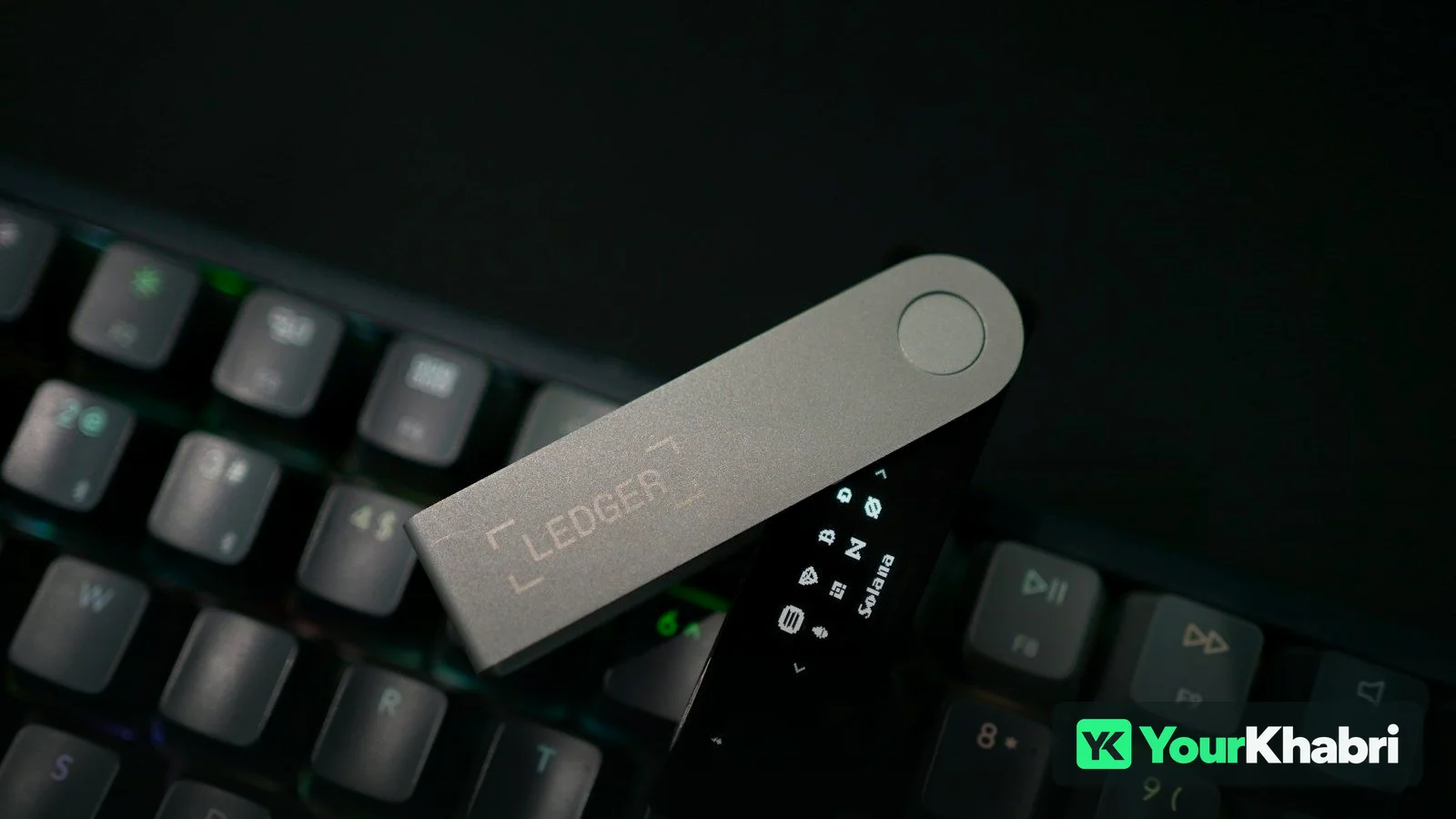
Hardware wallet manufacturer Ledger has issued a warning to customers who purchased devices in Berlin since January 2026, advising them to contact its customer support team immediately after confirming cases of physical device tampering in Germany and the United Arab Emirates. The security alert follows reports from two cryptocurrency holders in Dubai who lost a combined $604,000 in digital assets after transferring funds into compromised hardware units.
Ledger said several suspicious devices were reported in Berlin, prompting an investigation into hardware distributed across regional commercial channels. The company confirmed that the incidents in Germany and the UAE are directly connected to the same supply-chain tampering campaign that its security team first began investigating in Southeast Asia in October. In those earlier cases, unauthorized actors intercepted authentic hardware wallets along transit routes, altered their internal physical components, and placed them back into distribution pipelines before delivery to buyers.
Hardware wallets protect cryptocurrency holdings by keeping private keys stored inside an isolated microcontroller that remains disconnected from internet-connected computers and mobile devices. When physical supply-chain tampering takes place along delivery routes, unauthorized actors open the device casing to modify internal circuit boards or replace microcontrollers. These hardware modifications allow attackers to intercept generated private keys or force the wallet to produce predetermined recovery seed phrases, enabling external actors to drain funds from the wallet as soon as deposits take place.
The combined loss of $604,000 reported by the two Dubai customers marks the first confirmed financial theft tied to this physical distribution breach in the United Arab Emirates. Ledger said the physical attack vector matches the hardware breaches documented in Southeast Asia during October, where altered units were reintroduced into supply channels. Physical interdiction of this nature requires unauthorized access to commercial logistics pathways between primary manufacturing hubs, regional distributors, and retail outlets.
To assist affected customers and evaluate suspicious units, Ledger is offering physical hardware inspections at its central manufacturing facility in Vierzon, France. Wallet owners who purchased devices in Berlin since January 2026 or who suspect their units were compromised in transit can send their hardware directly to the Vierzon plant. Technical teams at the facility will perform detailed physical checks, including full X-ray analysis of internal circuit components, to compare the device assembly against original factory specifications.
Cold storage security guidelines emphasize that cryptocurrency owners should purchase hardware wallets exclusively through official manufacturer distribution channels rather than third-party resellers or secondary online marketplaces. Standard security procedures direct buyers to inspect all outer packaging for signs of physical tampering, verify that recovery seed phrases are generated directly on the device screen during initial setup, and avoid using any unit that arrives with pre-printed recovery instructions.
Ledger advised all owners who bought hardware wallets in Berlin from January 2026 onward to refrain from depositing funds into those devices until technical verification is complete. The company said its internal security teams are working alongside logistics partners and regional security authorities in Germany and the UAE to track affected distribution batches, audit transit channels, and prevent tampered units from reaching retail consumers.
Reported and edited by the YourKhabri desk under our editorial policy. Nothing here is investment advice.