

Ledger users lose 1,300 SOL and 507,000 USDT after Dubai-bought wallets show hardware implant
Two users claim thefts from Ledger Flex and Stax devices bought in Dubai, citing a hidden circuit board that captures seed phrases; Ledger has not confirmed related drains outside Southeast Asia.

Key takeaways
- 11,300 SOL stolen from a Ledger Flex on November 15
- 2507,000 USDT stolen from a Ledger Stax on November 14
- 3Implant includes a circuit board and antenna that capture seed phrases via cellular network
- 4Devices passed Ledger’s Genuine Check despite the hidden hardware
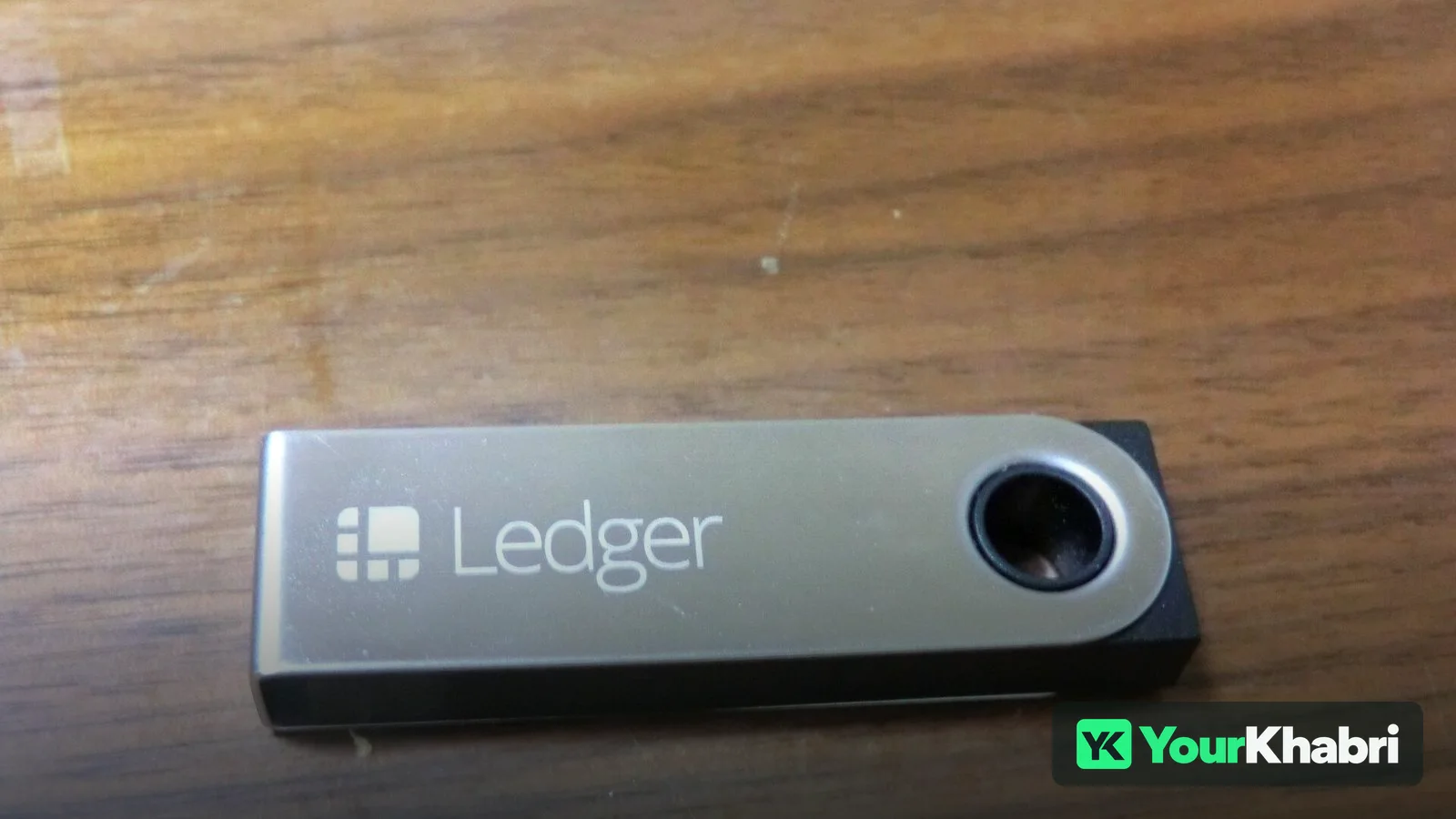
A Ledger Flex bought in Dubai lost roughly 1,300 SOL on November 15, and a Ledger Stax purchased the previous month lost 507,000 USDT on November 14, according to the users Rewinsky and New Babylon Order. Both devices were allegedly bought from Virgin Megastore, an official reseller in Dubai.
Rewinsky provided internal photos of the Flex that were cross-checked against the public OSINT registry maintained by Mark Karpelès. The registry confirmed the presence of an added circuit board and antenna. New Babylon Order did not provide device photos, leaving the second claim unverified.
The hidden components resemble implants found in Southeast Asian hardware wallets. They read the recovery phrase displayed during setup and transmit it via cellular network. Because the secure element remains untouched, the wallet can still pass Ledger’s Genuine Check routine.
Ledger, founded in 2014, markets its devices as offline storage solutions. This is the first public allegation involving a reseller in the United Arab Emirates. The physical implants differ from software attacks because they act as an external eavesdropping device rather than a firmware exploit.
For users, the loss does not alter the underlying blockchain balances. The incidents point to the risk of buying hardware from unverified channels and the need to verify device integrity before use. Users should consider storing seed phrases in a secondary air-gapped method.
Ledger has not confirmed any drains linked to the Dubai purchases and is investigating the matter. The company noted that its Genuine Check detects tampering of the secure element but acknowledged that external add-ons could evade detection. It urged customers to contact support if they suspect a compromised unit.
Regulators in the UAE may examine the reseller’s supply chain. Users should monitor official communications for recalls or firmware updates. Ledger’s spokesperson said an update is expected within two weeks.
Reported and edited by the YourKhabri desk under our editorial policy. Nothing here is investment advice.