

Ledger CTO says Google AI math papers do not break RSA cryptography
Charles Guillemet addressed rumors that artificial intelligence labs had compromised major encryption standards used to secure digital assets.

Key takeaways
- 1Charles Guillemet said Google's AI math papers do not compromise RSA encryption
- 2Ledger previously reported $604,000 in losses due to tampered hardware wallets on 22 November
Charles Guillemet, the outgoing chief technology officer of hardware wallet manufacturer Ledger, said that none of the new artificial intelligence-generated math papers from Google break RSA cryptography. He addressed the claims following rumors that AI laboratories had successfully compromised major encryption methods. Guillemet said that none of the research papers published break any existing cryptographic standards.
Speculation grew after AI labs released research suggesting significant advancements in mathematical problem-solving. Some market participants expressed concern that these developments could undermine the RSA algorithm, which is a foundational element of digital security and blockchain technology. Guillemet clarified that while the AI-generated papers demonstrate progress in mathematical logic, they do not provide a method for decrypting RSA-protected information.
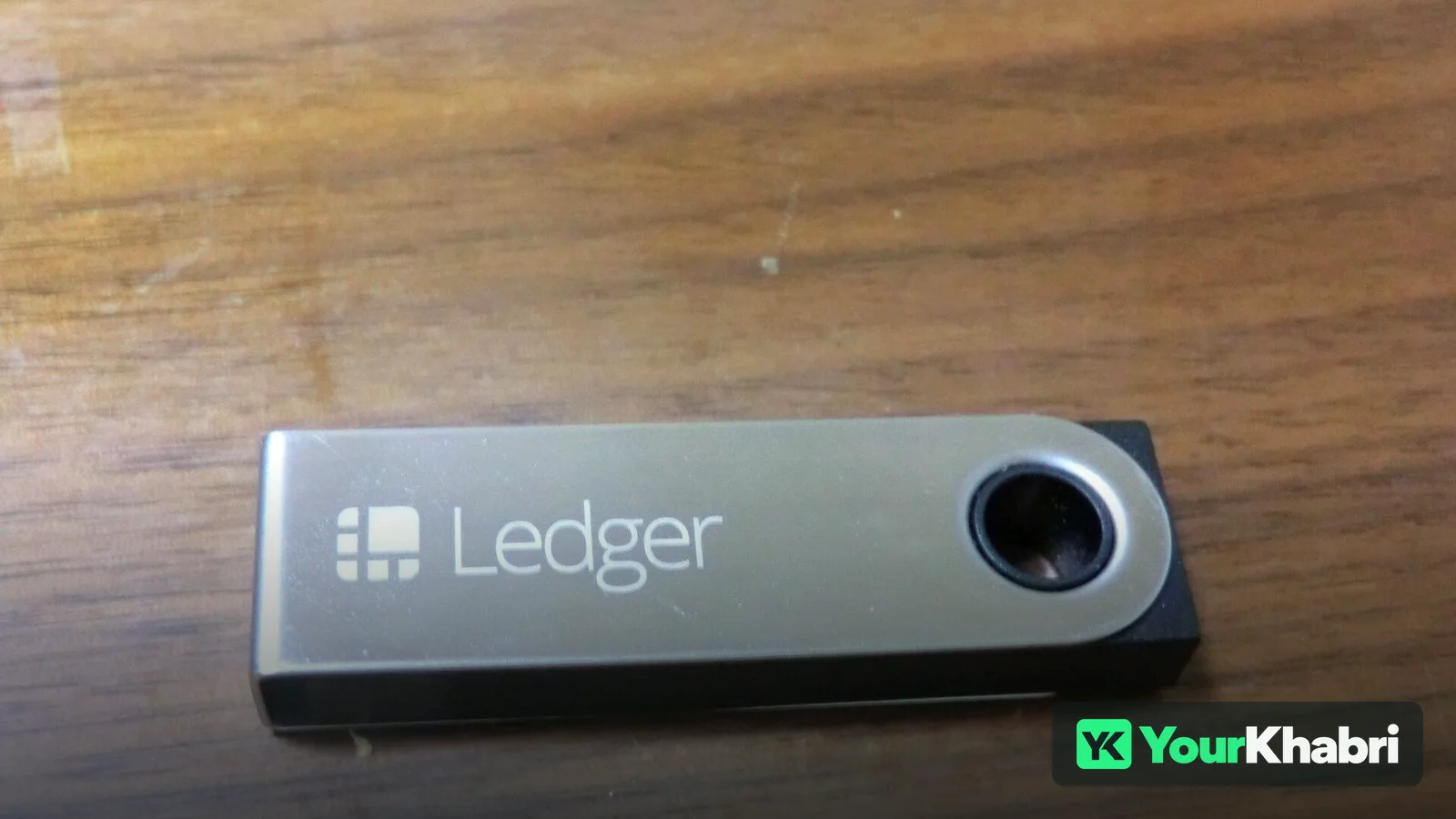
Ledger produces hardware wallets designed to store the private keys for digital assets offline. The security of these devices depends on the integrity of cryptographic standards such as RSA and elliptic curve cryptography. This clarification follows a warning from Ledger on 22 November to users in Berlin and the UAE regarding tampered hardware units that resulted in the theft of $604,000.
The continued strength of cryptographic standards is essential for the security of the cryptocurrency market. A breakthrough that allowed AI to break RSA would necessitate a complete overhaul of how hardware wallets and blockchain networks protect user assets. Security researchers and investors are expected to monitor future AI research for any practical threats to current encryption protocols.
Reported and edited by the YourKhabri desk under our editorial policy. Nothing here is investment advice.