

EU proposes 22nd Russia sanctions package targeting crypto platforms and 60 banks
The proposal adds cryptocurrency platforms and payment networks to the sanctions list and creates a Crypto Sanctions Task Force to boost enforcement.

Key takeaways
- 1Around 60 Russian banks would be removed from the SWIFT system
- 2Crypto platforms and payment networks facilitating sanctions evasion are added to the sanctions list
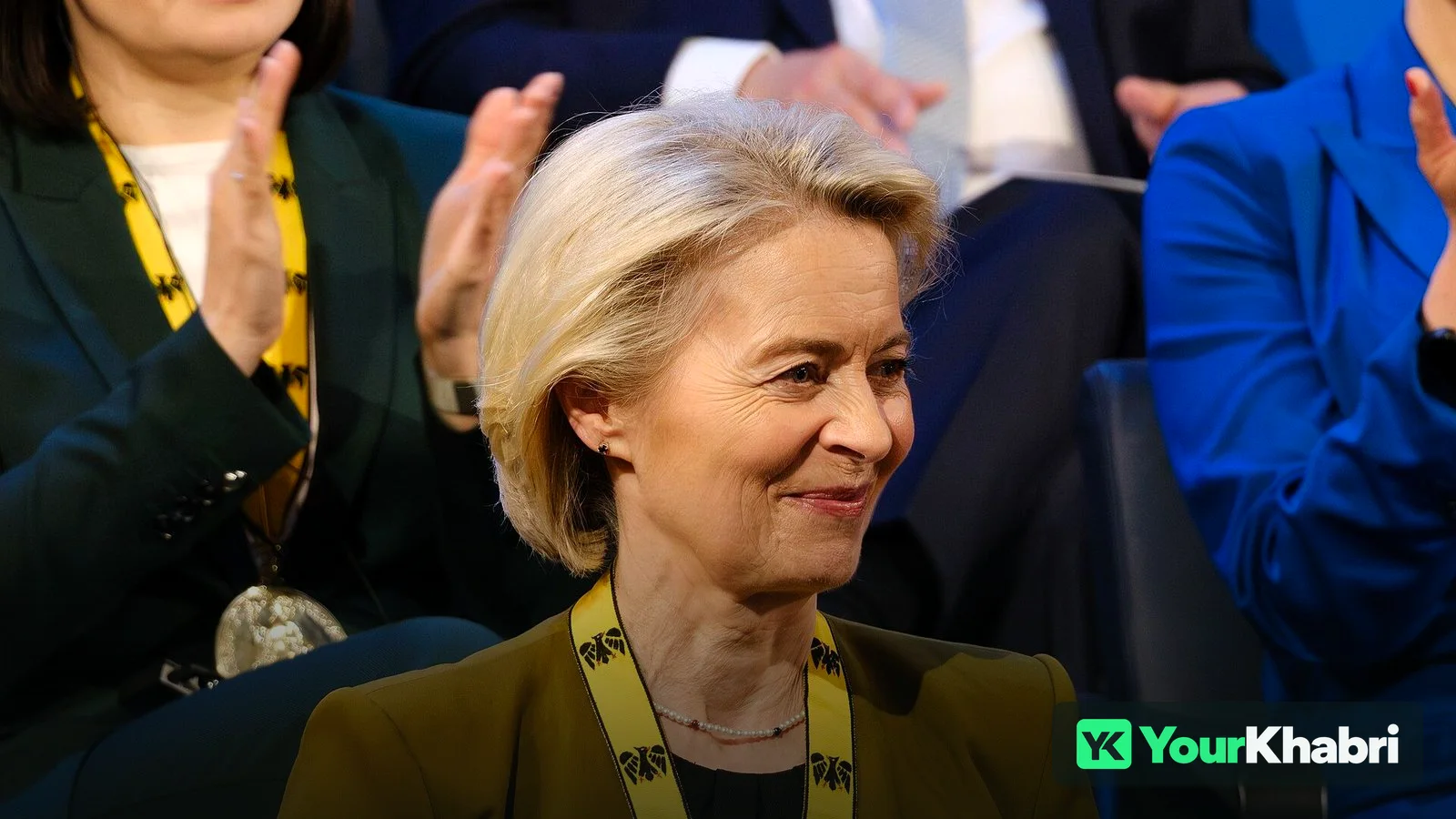
European Commission President Ursula von der Leyen announced on 23 November a proposed 22nd sanctions package against Russia, targeting roughly 60 Russian banks and extending EU transaction bans to them.
The proposal would remove the banks from the SWIFT system and also target cryptocurrency platforms and payment networks in Russia and third‑country jurisdictions that facilitate sanctions evasion. Von der Leyen said the EU has set up a Crypto Sanctions Task Force to strengthen enforcement. Additional measures include expanded energy restrictions and a ban on EU citizens holding management positions in Russian companies.
Von der Leyen leads the European Commission, the EU’s executive body that designs and implements sanctions policy. The EU has used sanctions since 2014 to pressure Russia over its actions in Ukraine, and the 22nd package follows a series of measures aimed at limiting Russia’s access to international finance. Crypto platforms are increasingly scrutinised because they can bypass traditional banking controls, making them a focus for regulators.
If adopted, the package will force European and allied exchanges to block the listed banks and crypto services, tightening compliance for firms handling Russian transactions. The move signals a broader EU push to curb illicit finance through digital assets. Traders and firms should watch for the European Parliament’s vote and any further guidance from the Crypto Sanctions Task Force.
Reported and edited by the YourKhabri desk under our editorial policy. Nothing here is investment advice.