

Dormant 2011 bitcoin wallet moves 75 BTC alongside New York legal notice
The transfer of the Satoshi-era coins included a small payment linked to a lawsuit over asset ownership. On-chain data confirms the private keys are still active.

Key takeaways
- 1A dormant wallet moved 75 BTC for the first time since 2011
- 2The transfer included a small dust payment linked to a New York ownership lawsuit
- 3On-chain activity proves the private keys are still active but does not identify the owner
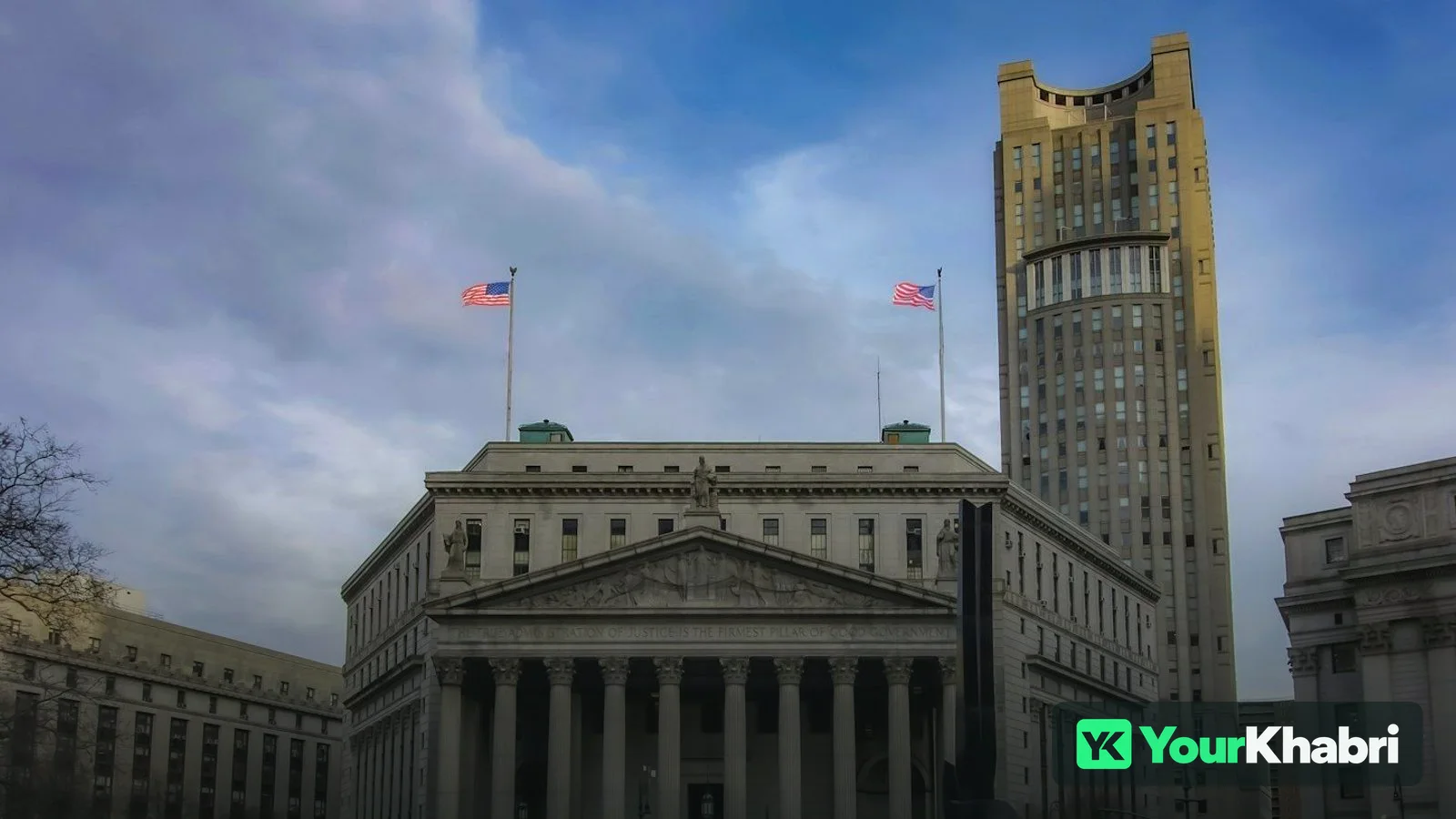
A wallet containing 75 BTC that had been inactive since 2011 moved its funds alongside a small payment tied to a legal notice. On-chain data shows the transfer occurred in conjunction with a filing in a New York ownership lawsuit. The movement confirms that the private keys for these early coins remain active and spendable by the current holder.
The transaction involved a minute payment, often used to deliver legal notices or messages directly to a specific blockchain address. This specific notice is connected to ongoing litigation in New York regarding the rightful ownership of early bitcoin holdings. While the transfer proves the controller of the wallet can move the assets, it does not clarify the identity of the individual or entity behind the 2011 address.
Bitcoin mined or bought in 2011 dates back to the era of the network's creator, Satoshi Nakamoto, when the asset traded for less than $30. These Satoshi-era coins are closely watched because their movement can signal the return of early adopters or the resolution of long-standing legal disputes. In this case, the link to a New York court suggests the assets are part of a formal challenge over who controlled the network's initial supply.
The movement suggests that legal proceedings in the United States are forcing the activity of dormant wallets to establish proof of control. Traders often view the sudden activation of old wallets as a potential source of market supply, though the legal context here implies a controlled transfer rather than an immediate market sale. Observers will watch for further New York court filings to see if the claimant can prove they are the original owner of the 2011 funds.
Reported and edited by the YourKhabri desk under our editorial policy. Nothing here is investment advice.