

Coinkite releases postmortem confirming 1,778.84 BTC stolen from over 8,600 addresses
The hardware‑wallet maker attributes the loss to a seed‑generation flaw that disabled the device’s RNG, and warns that firmware updates cannot secure previously generated seeds.

Key takeaways
- 11,778.84 BTC (~$107 m) stolen from over 8,600 addresses
- 2Firmware config error disabled hardware RNG, enabling offline key reconstruction
- 3300 loss‑related tickets from 236 accounts (~0.2 % of users)
- 4Patched firmware released 31 July 2026 but cannot fix old seeds
- 5Attackers remain unidentified and compensation is undecided
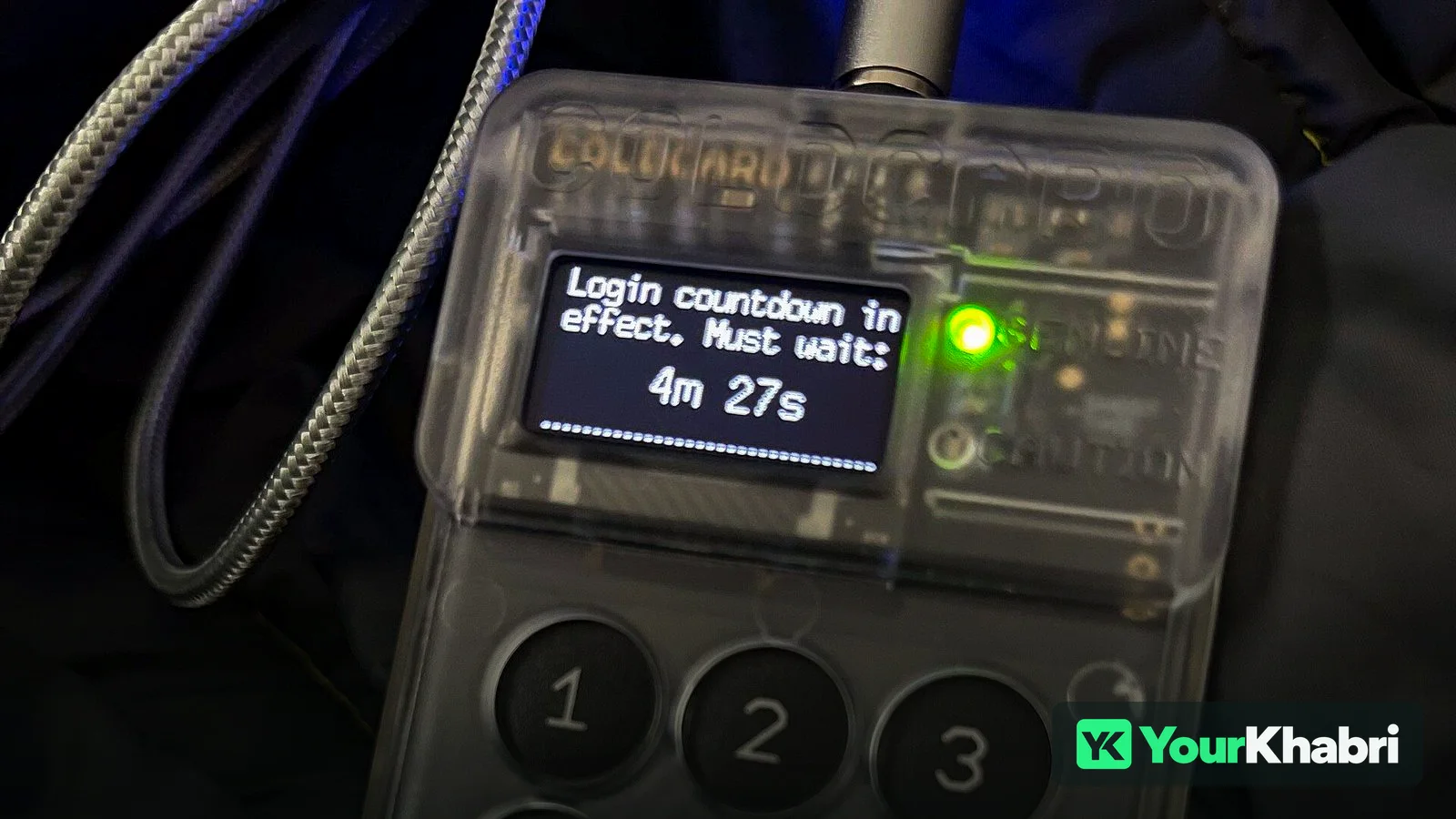
Coinkite released a postmortem on 24 November 2026 confirming that 1,778.84 BTC were stolen from more than 8,600 addresses due to a seed‑generation flaw in its Coldcard hardware wallet. The report was posted on Coinkite’s blog and shared with the security community. The theft represents roughly $107 million at current market prices.
Coinkite said a firmware configuration error disabled the device’s built‑in hardware random‑number generator, forcing the wallet to use an insecure pseudorandom generator during seed creation. The disabled RNG reduced entropy to a predictable range, making seed values vulnerable to brute‑force reconstruction. Attackers were able to reconstruct the private keys offline from the weak seeds.
The company added that at least 15 independent security reviews between 2021 and 2026 failed to detect the weakness, including an assessment that employed OpenAI’s Cybersecurity Harness. The earliest review in 2021 focused on firmware signing and missed the RNG check, while later audits in 2023 and 2025 also concluded the code was clean. The flaw remained hidden until the recent incident triggered a deeper forensic analysis.
Coinkite reported receiving 300 loss‑related support tickets linked to 236 customer accounts, roughly 0.2 % of its estimated user base. Most of the affected accounts belonged to long‑term Coldcard users who had stored the seed on paper backups. Affected users reported missing balances across a wide range of wallet addresses.
Galaxy Research estimated the stolen 1,778.84 BTC to be worth about $107 million at prevailing prices. On‑chain data shows the coins were moved to a cluster of addresses that have not been linked to any known exchange. The stolen coins were split into ten transactions within 48 hours of the breach, each sending roughly 177 BTC to a new address.
The firm issued patched firmware on 31 July 2026 that restores the hardware RNG and adds additional entropy checks. Users can apply the update via the official Coinkite desktop client, which verifies the firmware signature before installation. Coinkite warned that the update cannot retroactively secure seeds generated before the patch.
Coinkite has not yet decided whether to compensate the affected customers, and the attackers remain unidentified. Some customers have indicated they may seek legal action if compensation is not offered. The company said it will review its liability policy before announcing any payouts.
Coldcard owners are advised to generate new seeds with the updated firmware and to migrate funds to fresh addresses. Experts recommend generating a fresh seed on a device that has never been connected to the internet and storing the backup in multiple secure locations. Users in jurisdictions with crypto tax obligations should treat any recovered or unrecovered losses according to local tax rules.
Coinkite said it will monitor the situation and work with security researchers to prevent similar flaws. Regulators have not announced any formal action, but the incident may prompt tighter scrutiny of hardware‑wallet RNG implementations. The episode has reignited debate over mandatory third‑party audits for hardware wallets.
Reported and edited by the YourKhabri desk under our editorial policy. Nothing here is investment advice.