

Binance secures ADGM court order to recover frozen hack funds
The exchange obtained the order to reclaim assets from the $6.34bn October breach, as it prepares to reopen all networks by the end of the week.

Key takeaways
- 1Binance obtained a court order from Abu Dhabi Global Market on 18 November to recover stolen funds.
- 2Roughly $2.85bn of the $6.34bn stolen in the October hack has been frozen or intercepted.
- 3Tether and Circle froze a combined $2.6bn in stablecoins within 30 minutes of the attack.
- 4The exchange replaced all user losses using its SAFU fund and corporate treasury.
- 5The FBI and Binance attribute the theft to North Korea’s TraderTraitor group.
Binance secured a court order from the Abu Dhabi Global Market on 18 November to aid the recovery of cryptocurrency frozen after a $6.34bn hack. Deputy general counsel Dugan Bliss said the order would help the exchange reclaim assets that were halted following the breach on 29 October. The company has not specified the exact value of the assets covered by the order, but the move marks the first major legal step in reclaiming the stolen funds.
The order follows an internal report where Binance confirmed that $2.85bn of the stolen tokens were frozen or intercepted. This amount represents roughly 45 percent of the total assets affected by the attack. The majority of these assets are held by stablecoin issuers, with Tether freezing more than $1.5bn in USDT within 30 minutes of the breach. Circle also halted approximately $1.1bn in USDC after coordinating with law enforcement agencies.
The hack was the result of a long-term operation that began months before the actual theft. Binance said the attackers first compromised an engineer's device in June using a tampered software installer. In September, a second engineer was targeted through a fake recruitment process, where they were persuaded to run a malware-infected interview assignment. This allowed the attackers to gain access to an internal wallet-signing service and drain Binance hot wallets across multiple blockchains.
On-chain data shows the attackers stole a variety of assets, including 18,270 BTC, 233.46 million XRP, and about 970,500 SOL. The FBI has attributed the theft to the North Korean group known as TraderTraitor, a finding that Binance has also supported. While stablecoin issuers were able to freeze tokens like USDT and USDC, the stolen bitcoin remains harder to stop. Because bitcoin has no central issuer, it can only be halted if it reaches a service or exchange that blocks the specific addresses.
This recovery effort follows our report on 2 November that 44 percent of the stolen funds had been frozen or seized. Binance estimates the total loss at $6.34bn, though earlier analysis by Elliptic suggested the figure reached $6.43bn across 11 blockchains and 40,000 transactions. The Justice Department has separately obtained court authority to restrain more than $1.2bn of the stolen crypto. A. Tysen Duva, head of the Criminal Division, said government and private-sector efforts have combined to freeze a total of $2.7bn so far.
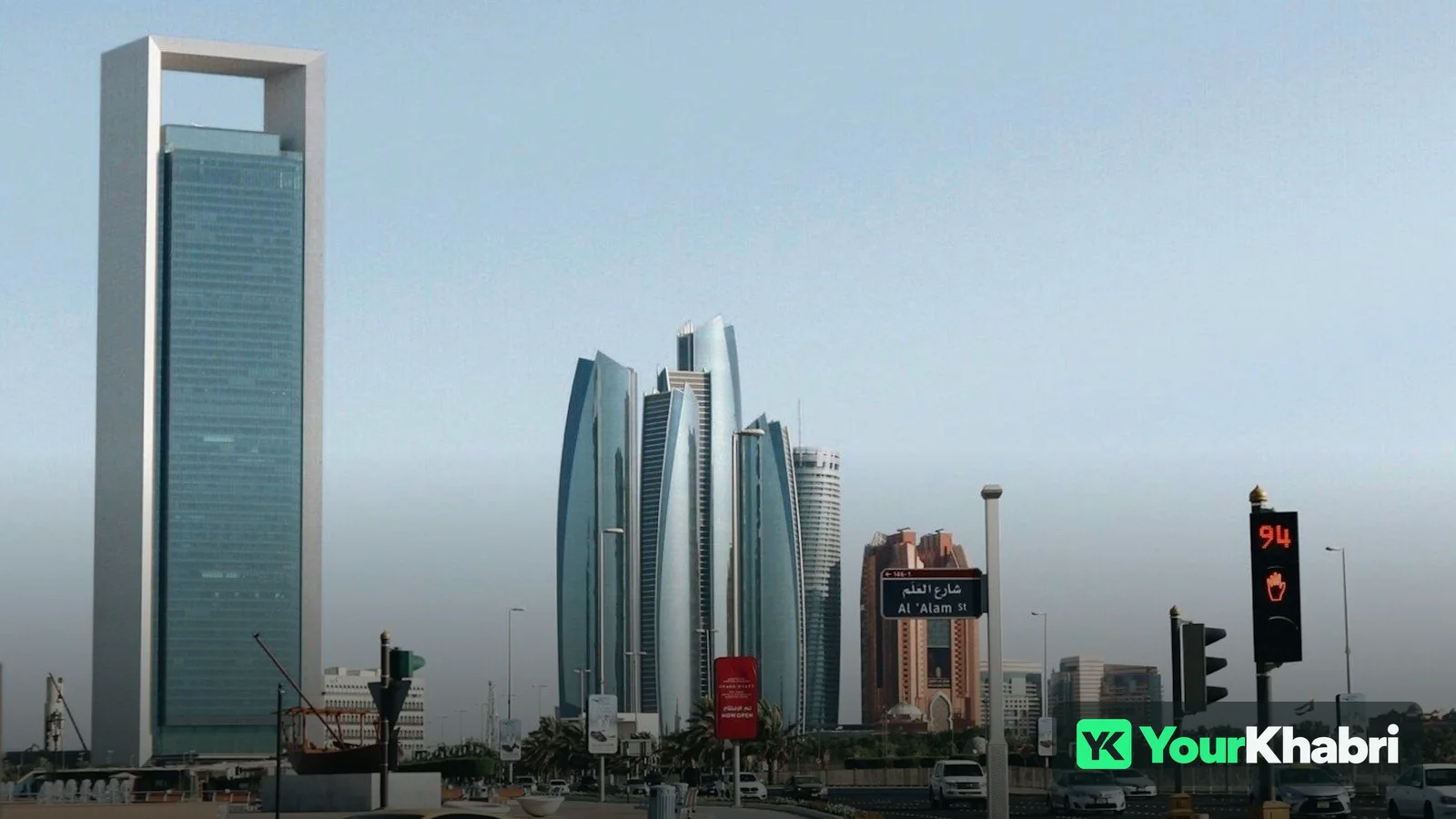
For users and the wider market, the ADGM order is a test of how effectively regulators can help exchanges reclaim assets across borders. Abu Dhabi Global Market acts as the main financial regulator for Binance, and the order provides a legal framework for the exchange to demand the return of funds held by third parties. Circle has previously said it does not decide who owns frozen assets, leaving that determination to courts and law enforcement. This order may provide the legal clarity required for such issuers to release the funds back to the exchange.
Binance has already moved to protect its users by replacing the affected assets with its own corporate funds. The exchange used a combination of its corporate treasury and the Secure Asset Fund for Users (SAFU), an emergency insurance fund. Withdrawals on the platform have resumed in phases, and the company expects to have all networks and assets fully reopened by the end of this week. Asia-Pacific head SB Seker said the cost of the hack was statistically manageable and would not change how the firm operates.
Despite the scale of the theft, Binance plans to continue its expansion into five new Asian markets throughout 2027. Seker said at the Singapore FinTech Festival that the company is currently in talks with five or six jurisdictions and does not need to raise new capital to cover the loss. The exchange expects to provide further details on these expansion plans in the first quarter of next year. For now, the focus remains on using the ADGM order and other legal tools to trace and recover the remaining stolen assets.
Reported and edited by the YourKhabri desk under our editorial policy. Nothing here is investment advice.